The Myth of Away
Published by Anne Altor on Apr 24th 2026
The Myth of Away
We’ve all heard and used the expression “throw it away.” It’s one of those phrases and actions that is learned early and taken for granted. But as we become more aware of the interconnectedness of everything, we might start to ask, “where is away?”
Landfills
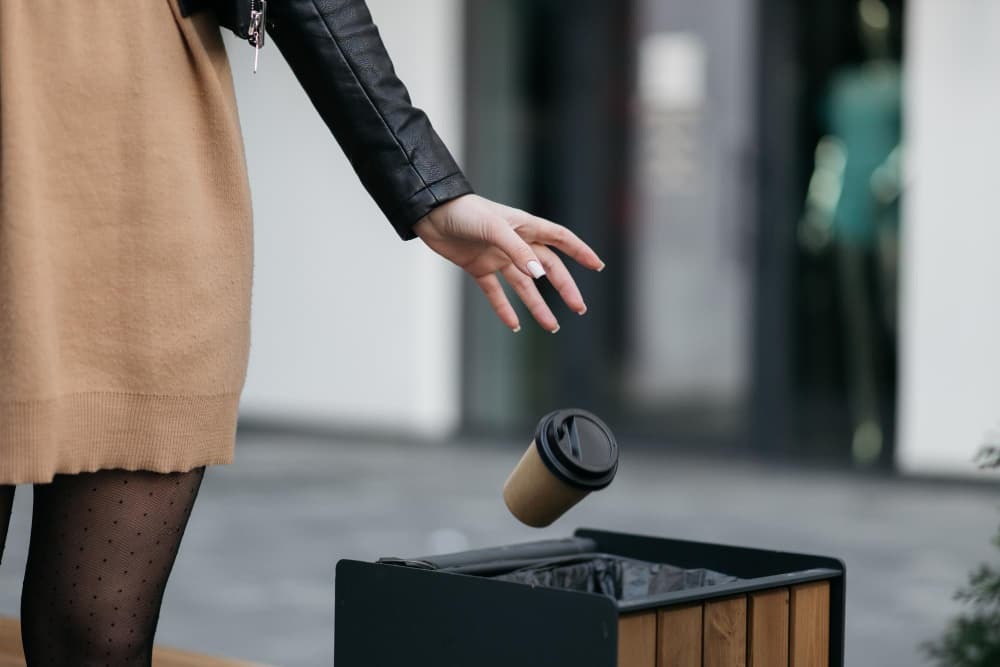
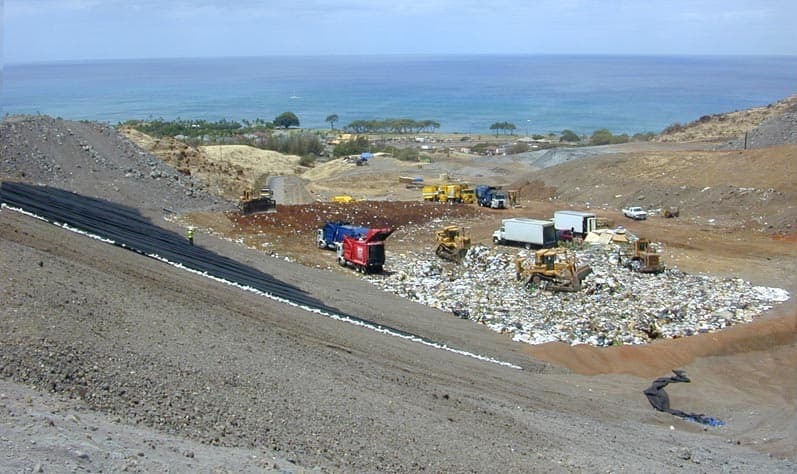
For folks with curbside pickup, “away” might be the curb or the trash truck. In the US, over half of our trash goes to landfill.
Landfills are often mistaken for giant compost piles, but they are actually tombs, designed to store waste, not to compost it. Because they are anaerobic (oxygen-free), even an apple core or a newspaper can stay mummified for decades. When organic materials do break down in the anearobic landfill environment, they release methane, which is a potent greenhouse gas that contributes to climate change. Plastics, metals and other materials stay in the landfill indefinitely. Instead of returning to the earth or being recycled, landfill waste slowly turns into leachate, a toxic ‘garbage juice’ that pollutes the soil and water. “Away” becomes the earth, water and air, which cycle back to us and other living beings.
In some parts of the world, including Southeast Asia, excess waste in landfills is leading to deadly fires, explosions and land(fill)slides.
Burning
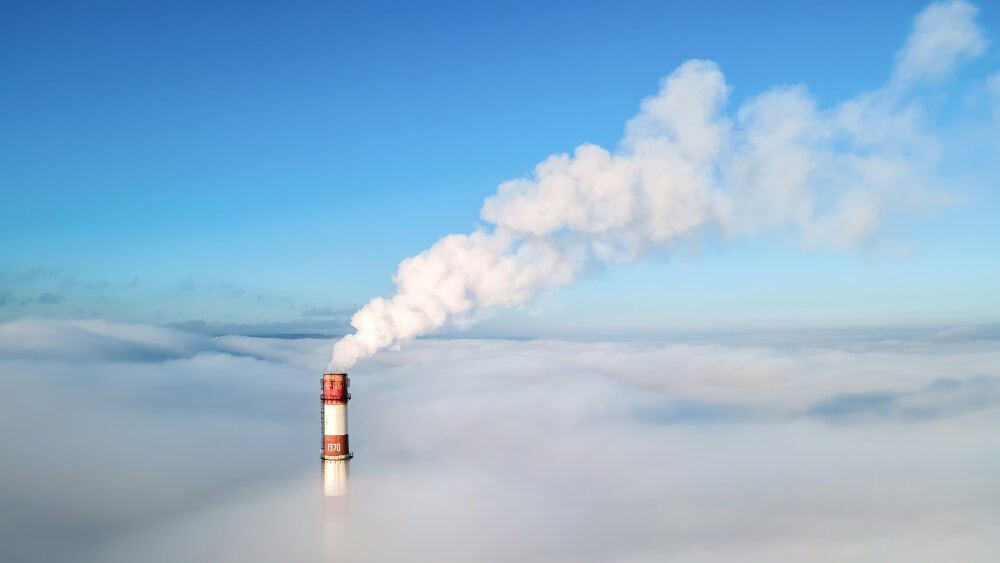
"Away" can also look like a chimney stack. Incineration facilities use extreme heat to turn solid trash (municipal solid waste, hazardous waste and medical waste) into gas and ash. But matter doesn't disappear; it changes form. This process releases carbon dioxide, heavy metals and dioxins into the atmosphere and into the soil as concentrated ash. We breathe what we once threw "away."
Trash incinerators are often sited in low-income communities and communities of color. This concentrates toxic pollutants in the environments and bodies of those with less political power to shape the discussion about ‘away.’
Export
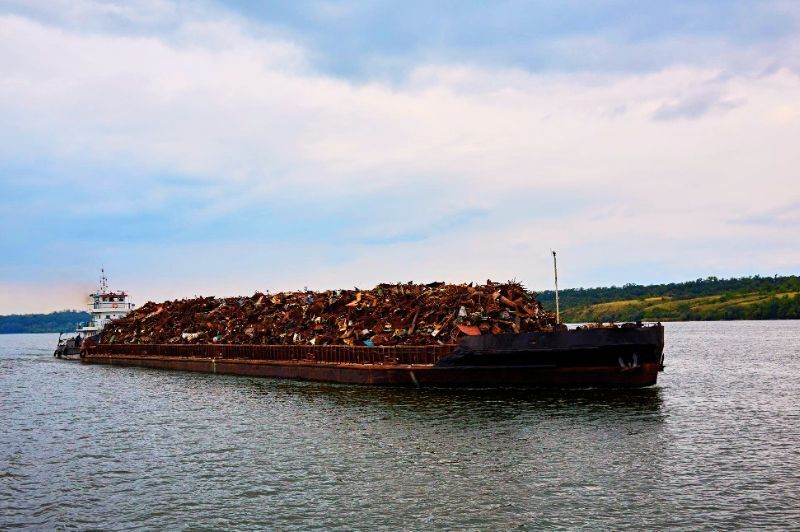
The global north also outsources waste to other countries. The US ships massive quantities of plastics, textiles and electronics to China, Malaysia, Africa and other places. Electronic wastes contain heavy metals (cadmium, arsenic, mercury and lead). Textile (fast fashion) waste can disrupt local industries and ecosystems. These wastes become a social and health burden to the communities they get dumped in, and the pollutants eventually circle the globe via air and water.
The Web of Life
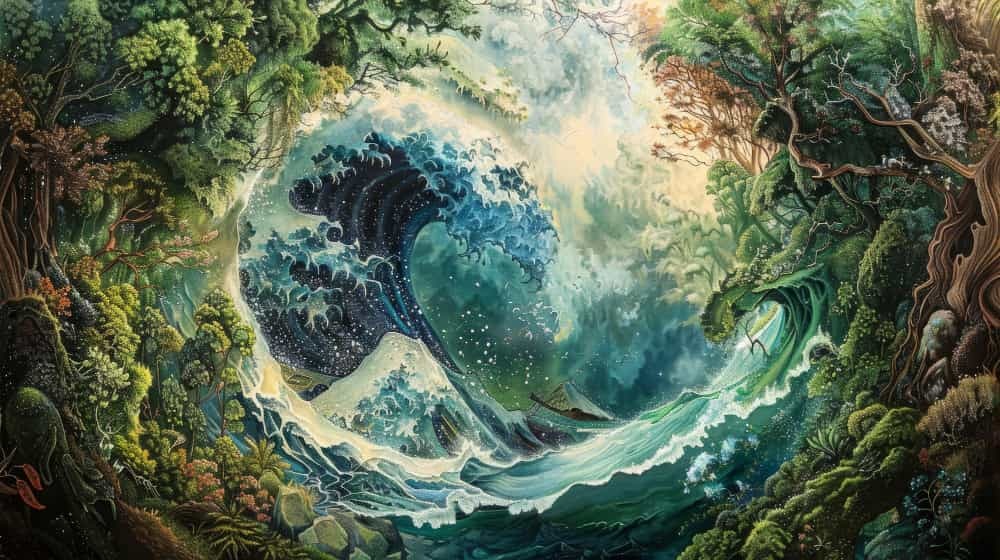
This post isn’t meant to provoke guilt, but rather to fuel awareness and inspire action. When we realize that 'away' is a myth, we start to see the beautiful, circular reality of our planet. The Earth is a closed system, our shared home where nothing is lost, where matter can only be transformed. This interconnectedness and potential for transformation can be a great source of strength. We are all in this together, even those with whom it feels hard to find common ground.
All life, human and otherwise, depends on fresh air and water, clean food, intact ecosystems and a thriving planet. As noted by Robin Wall Kimmerer, “All flourishing is mutual.” Indigenous wisdom recognizes that humans are not outside observers of the web of life, we are part of it. What we do to this web, the earth, we do to ourselves.
PRACTICAL TAKEAWAYS
Here are some ideas for acting on the understanding that there’s ‘no away’. This list just scratches the surface; may we each find and share more impactful ways to steward life.
- Make the trash bin a last resort: Before throwing something ‘away,’ consider how you might reuse or repurpose it. If that’s not an option, can you donate it to someone who could? Can it be composted or recycled?
- Audit the "end game": Become a conscious gatekeeper. Before buying or creating something, consider what the end of life is for the item, as well as for its ingredients and packaging. If the packaging or product is made to be disposable but not biodegradable, look for a regenerative or compostable alternative.
- Simplify, and rethink the impulse to buy: Consumer culture thrives on us feeling incomplete without the next purchase, and the next. Pause for a breath before you buy, and ask “Does this meet a true need, or am I trying to fill a void or get an endorphin boost that I could get in a different way?”
- Make sharing and trade part of your style: Define style in your own way. Break the cycle of fast fashion and disposable home goods. Define your aesthetic, at least in part, through thrifting, sharing and trading with friends and neighbors.
- Stop “discarding” people too: Just as we try to move trash out of sight, we may sometimes try to shut difficult people out of our awareness. But in a closed system, polarization only creates more toxicity. We’re all in this together, no matter what comes, and we can’t "cancel" our way to a healthier planet. As we focus more on creating the conditions for the world we want to live in, we may spend less energy resenting or stressing about difficult people or conditions.
- Share ideas: Start conversations about the ideas brought up here. We can all learn a lot from eachother, including one another's challenges as well as creative solutions. How can your conversations lead to new ideas, experiements and initiatives?
- Share "things: What household items can you share among friends and neighbors so everyone doesn't need to have their own replica? Examples could include appliances, yard-care tools or machines, speciality cookware, air mattresses and much more.
- Keep on keepin on! Although the challenges are daunting, we have the power to envision new ways of being. We must, if human life is going to continue long-term, and every one of us has a role to play in this interconnected world.