
Ingredient Profile: Stearic Acid in Shampoo Bars
Published by Anne Altor on Feb 23rd 2026
Ingredient Profile: Stearic Acid in Shampoo Bars
To help you get to know your favorite products better, we dive into the ingredients, looking at what they are and why we use them. In this post, we discuss stearic acid, an important ingredient in our shampoo bars.
Stearic Acid Sources and Structure
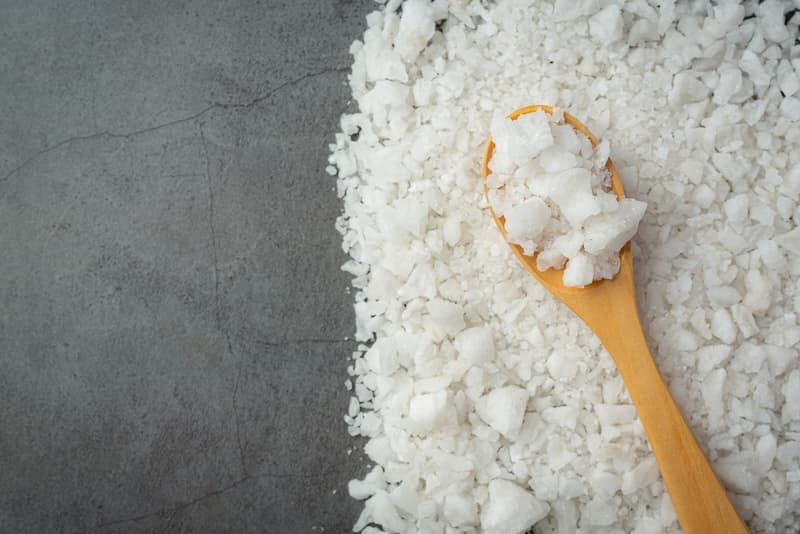
Stearic acid is a long-chain, saturated fatty acid with the formula CH3(CH2)16COOH. It's found in vegetable and animal fats, and in the hair cuticle itself. Stearic acid is a whitish, waxy, flaky or granular solid. Plant sources of stearic acid include palm oil, which we do NOT use, coconut oil, cocoa and shea butters, and many other sources. The stearic acid we use is extracted from organic mahua seeds and flax seeds.
Stearic Acid and Hair Structure
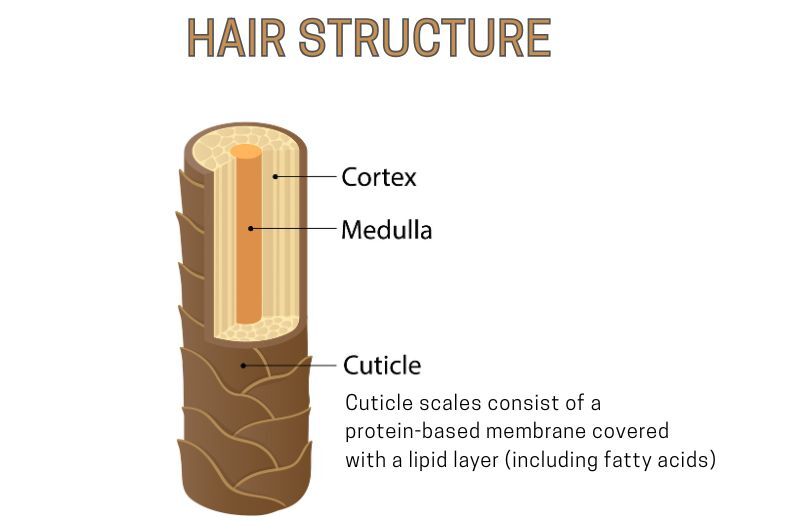
Stearic acid is part of the hair cuticle. It's one of several fatty acids that are attached to cuticle proteins and help protect the hair from abrasion and other stressors. Stearic acid and other fatty acids coat the edges of the cuticle, helping keep strands smooth and protected from physical damage. As hair gets exposed to physical and chemical stress, these lipids wear away and make hair more susceptible to breaking and static.
Why Stearic Acid in Shampoo Bars?
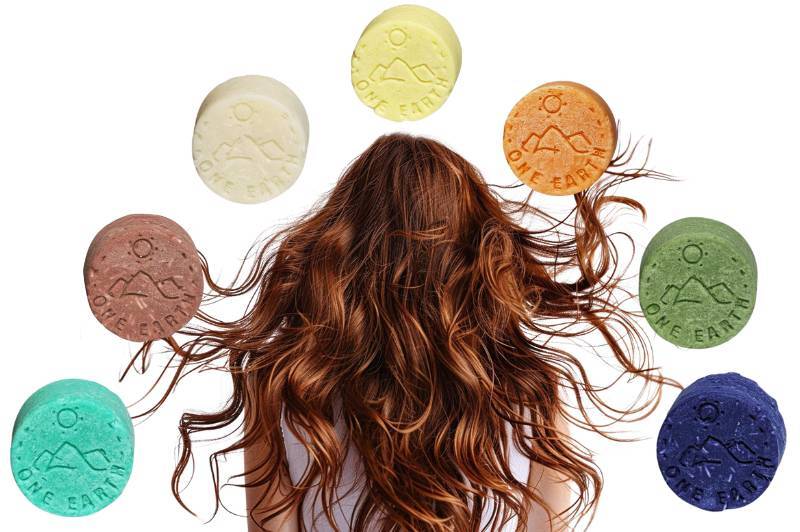
There are multiple benefits to using stearic acid in our shampoo bars. It contributes to a rich-textured lather, it provies some protection to the hair, and it helps make the bars hard and long-lasting. Gentle, pH-balanced shampoo and conditioner bars both can help protect the hair from damage and replenish some of the protective lipid layer (conditioner bars especially play a role in the latter). Stearic acid contributes to those benefits, and it's biodegradable and safe for people and pets.
A Note on Sourcing
The majority of commercially available stearic acid is sourced from destructive palm oil. We have a reliable non-palm source, and we pay a significantly higher price compared to stearic acid derived from palm oil. Sourcing the most ethically sound ingredients we can is an important part of the One Earth mission. We want our products to perform and provide a delightful experience, and we want you and ourselves to be able to feel good about choosing and using them!
Sources:
Barclay-Nichols, Susan. A Complete Guide to Creating Hair Care Products. E-book, 195 p.
Coderch, L.; Alonso, C.; García, M.T.; Pérez, L.; Martí, M., 2023. Hair Lipid Structure: Effect of Surfactants. Cosmetics 10: 107.
Dias, MFRG, 2015. Hair Cosmetics: An Overview. Int J Trichology. 2015 Jan-Mar; 7(1): 2–15.
Schueller, R., & Romanowski, P. (Eds.). (1999). Conditioning Agents for Hair and Skin (1st ed.). CRC Press