How Purple Shampoo and Conditioner Work
Published by Anne Altor on Jan 9th 2026
Why Purple Shampoo and Conditioner?
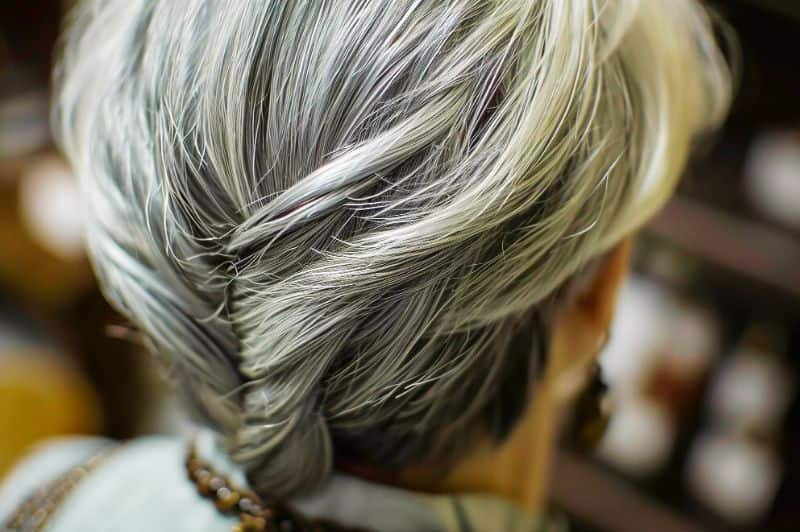
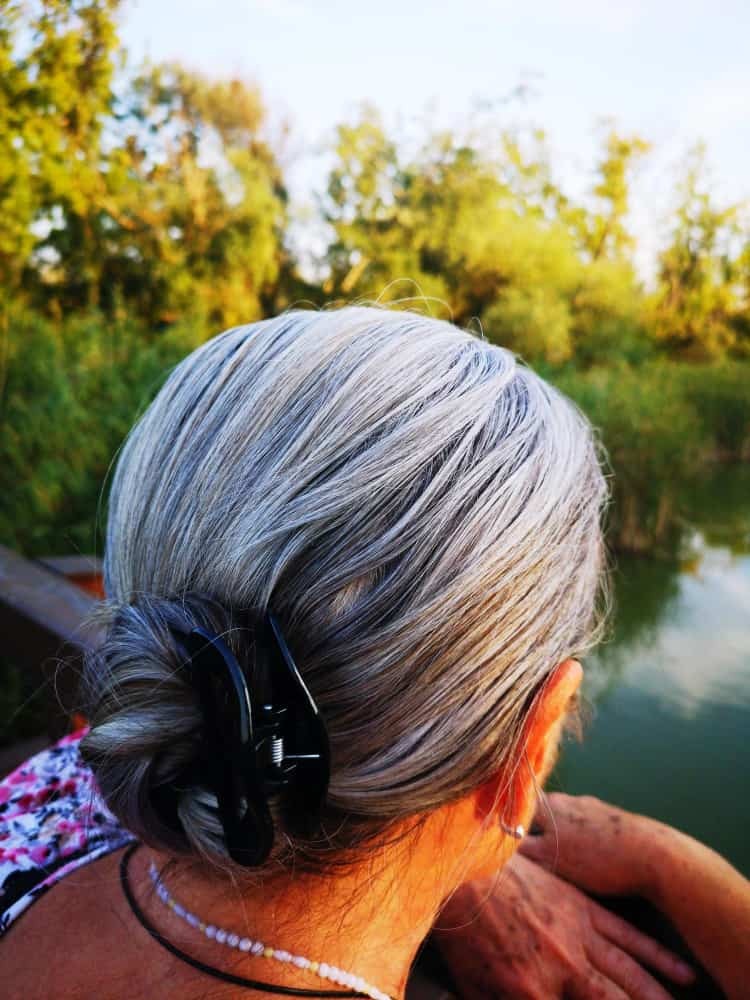
Blond, grey, white and chemically dyed hair often picks up a yellow or orangish tint. Whether or not this is desirable is a matter of personal preference. Some folks like this effect, and others don't. Purple hair products are for those who want to remove the brassy appearance from their hair. We'll get to how the products work, but first, what causes brassiness in hair?
Chemical and dye treatments can lead to brassy tones
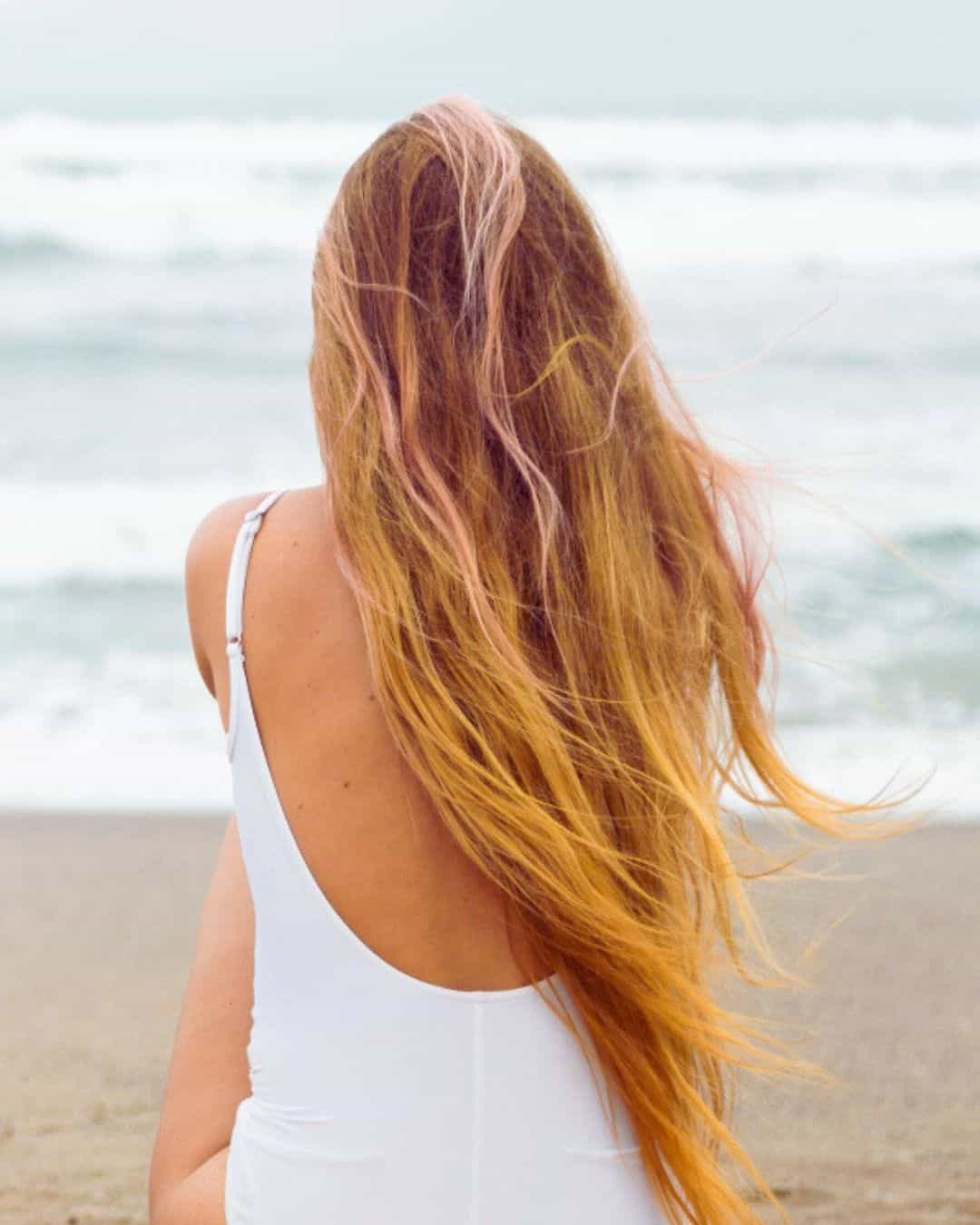
Hair dyes contain blends of red, yellow and blue pigments. These pigments fade at different rates, with the blues (smaller pigments) leaching out of hair the fastest. Chemical treatments used with hair dyes also stress the hair through oxidation. When you combine chemical and other stressors with the different leaching rates of pigments, you can end up with yellow to orangish tones in the hair.
Metals in water can cause brassy tones
Both treated municipal water and well water can contain a variety of metal elements, including calcium, magnesium, iron, manganese and copper. When dissolved in water, these metal ions have a positive charge. In contrast, our hair naturally has a negative charge. Positive and negative attract, causing the metals to bind to the hair shaft. These metals can give the hair a dull and discolored appearance. This is one reason why it's so important for shampoo and conditioner to have a low pH. The low pH helps to reduce the negative charges on the hair strands, and this results in less binding of metals to the hair.
Other oxidizing factors lead to off colors
Other factors that stress the hair strand and lead to off colors include UV radiation from the sun, physical and heat stress from styling tools, and environmental chemicals such as chlorine and smoke. All of these influences can damage the hair cuticle and cause oxidative stress, which affects natural hair color and causes dye treatments to break down.
How Purple Shampoo and Conditioner Work
Purple hair products "remove" yellow and orange color tones via an optical illustion in which those tones are cancelled out. Purples and yellows are complementary colors, located in opposite positions on the color wheel. Yellow is a primary color, and purple is a secondary color created by combining red and blue (the other primary colors of light).
The Color Wheel
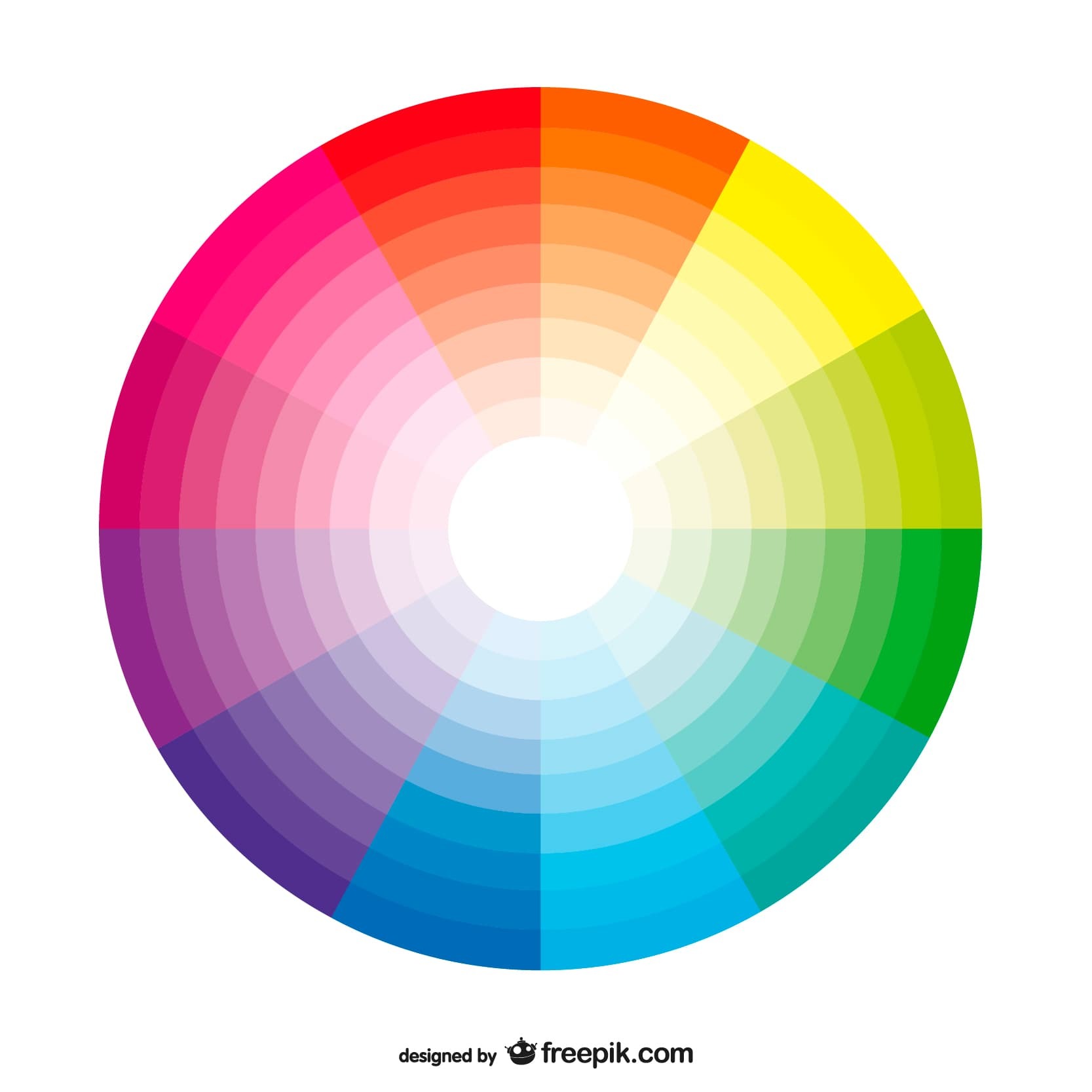
The purple pigments in color-toning hair products adhere to the hair follicles, especially where hair is oxidized or damaged (yellow and orange areas). The overlay of purple on yellow / orange causes these warm colors to be neutralized, or cancelled out.
What pigment is used in purple hair products?
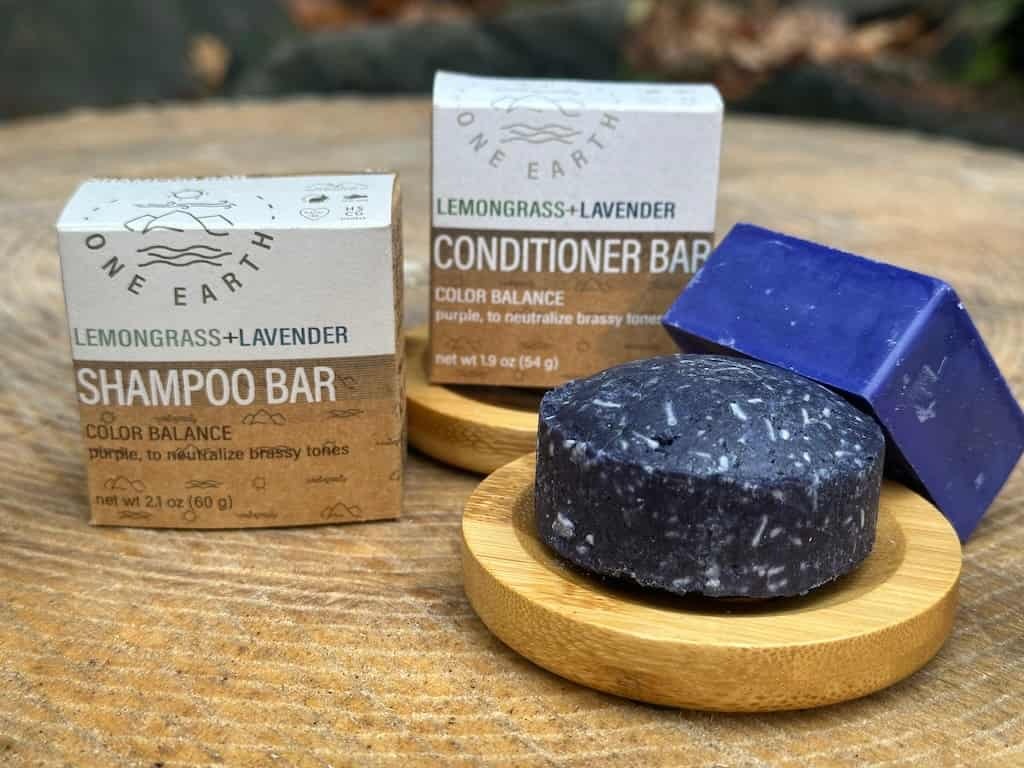
Violet #2 is the colorant most commonly used in purple hair products. It is a synthetic pigment also referred to as an anthraquinone color. While considering pigments for our purple shampoo bars and conditioner bars, we tested a variety of natural pigments, including manganese violet and beetroot powder. Our stylist testers provided feedback that these pigments were not as effective at neutralizing the yellow tones compared to the Violet #2. We always prefer the most natural option when choosing ingredients. However, product efficacy is also critical. In the case of our purple bars, we followed the advice of our professional testers and chose the violet pigment.
Why use purple conditioner?
Conditioner helps to re-seal the hair cuticle and keep the pigment in place. Our purple conditioner adds pigment to the process to strengthen the color-balancing effect. This super-conditioning bar contains organic cocoa butter and shea butter, which help protect the hair from additional damage.
Can you overdo it with purple hair products?
The purple pigments in hair products don't permanently alter the hair color. The pigments adhere temporarily to the hair strand, but they (mostly) wash away with the next shampooing. Depending on the porosity of the hair, the pigments may remain attached for a longer or shorter period of time. It is possible for purple pigments to collect on the hair and give it a purplish hue, if the products are used more than needed to cancel out the brassy tones. Start with using your purple shampoo and conditioner once or twice a week, and then back off or add according to the effects on your hair.